

language: EN



Wind power generation involves converting the kinetic energy of the wind into electricity. Wind energy is a clean and environmentally friendly renewable energy source, historically used for tasks like water pumping and milling through windmills. The focus
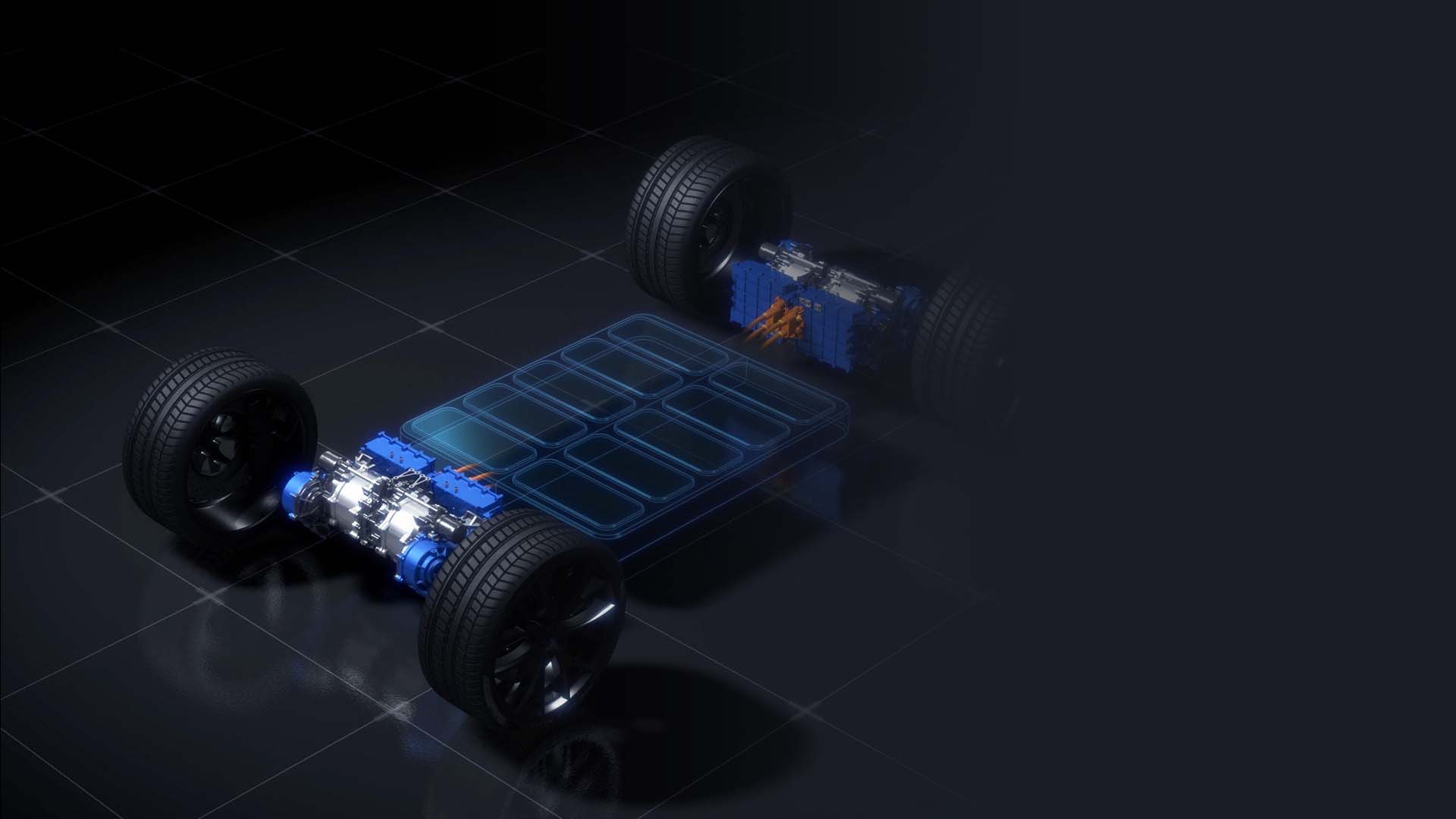
Broadly speaking, new energy vehicles, also known as alternative fuel vehicles, include cars that exclusively use non-petroleum fuels such as pure electric vehicles and fuel cell electric vehicles. This category also encompasses partially petroleum-free v
Rail transportation refers to a type of transportation system where operating vehicles travel on specific tracks. The most typical form is the railway system consisting of traditional trains and standard tracks. With the diversification of train and rail
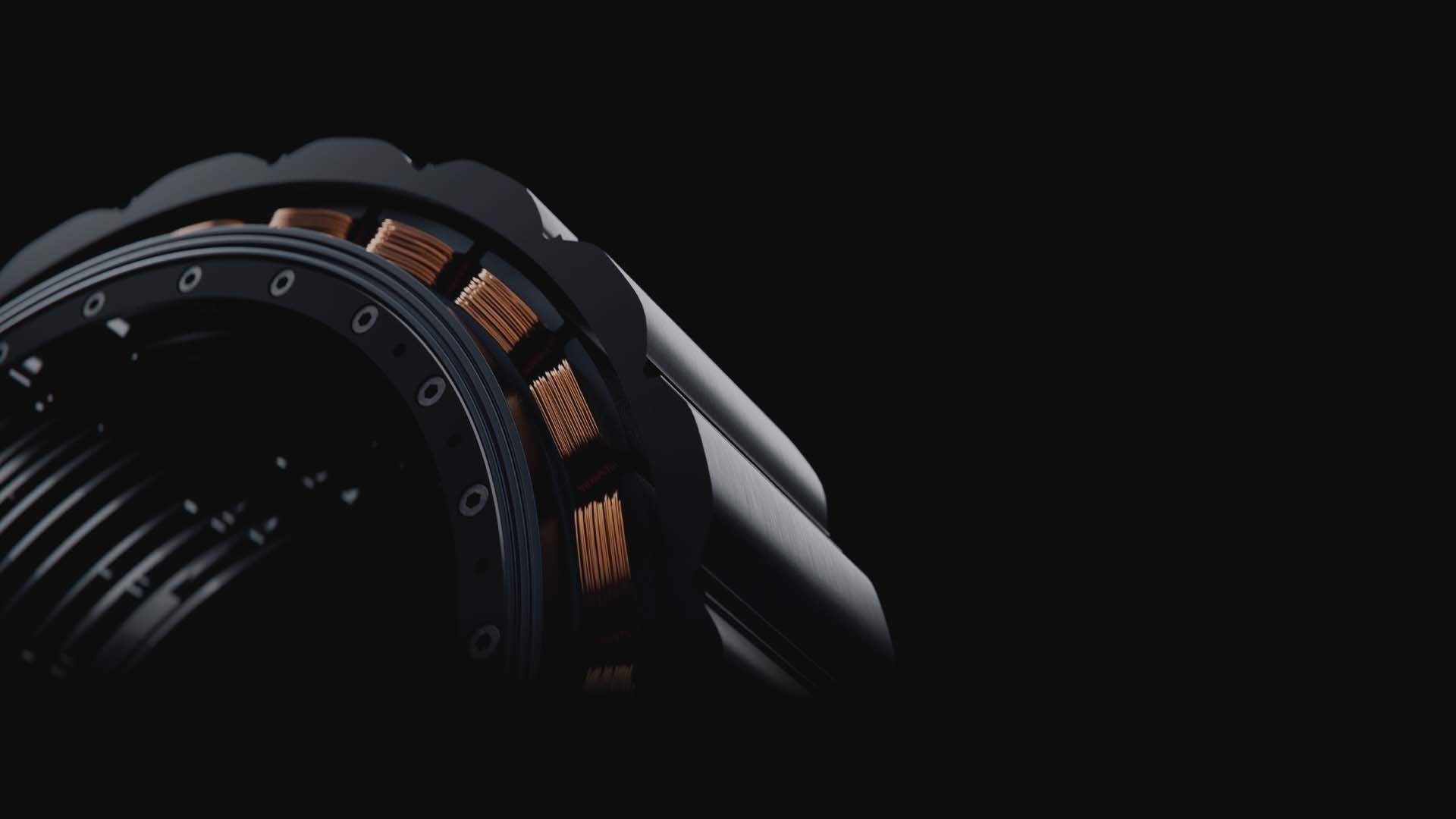
In China, motors consume over 2 trillion kilowatt-hours of electricity annually, accounting for approximately 60% of the national electricity consumption and 80% of industrial electricity consumption. High-efficiency motors consume 20% to 30% less energy
With the development and widespread adoption of power conversion controltechnology, the same type of electric motor, when combined with different powerconverters and control methods, can exhibit different performance characteristics.Therefore, the moto
Parts of equipment insulation exposed to air are defined as external insulation, while those isolated from air are internal insulation. During insulation design, the dielectric strength of internal insulation is always designed to be higher than that of external insulation.
This is because the performance stability of external insulation is greatly affected by environmental conditions, and it possesses a certain self-recovery capability. In contrast, the insulation level of internal insulation is unaffected by air humidity and surface contamination, rendering it relatively stable. However, its self-recovery capability is poor. Once its insulation performance degrades, the safe operation of equipment will inevitably be compromised.
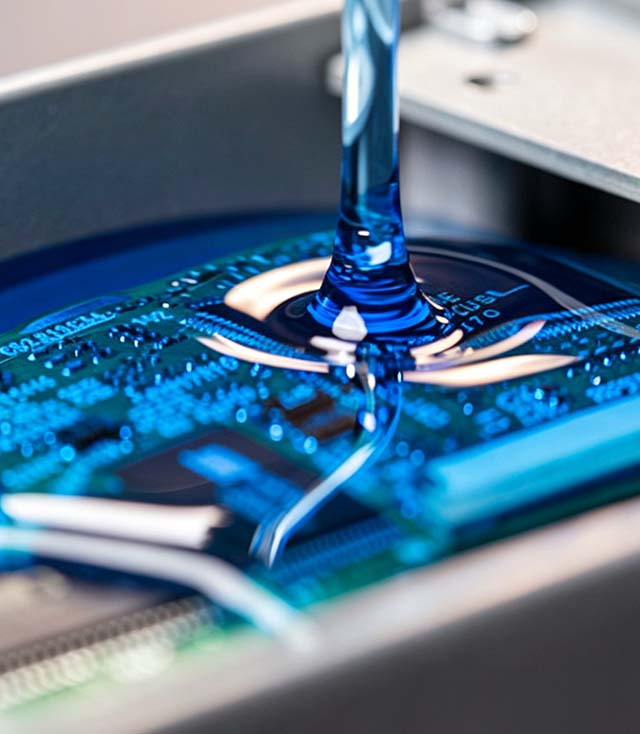
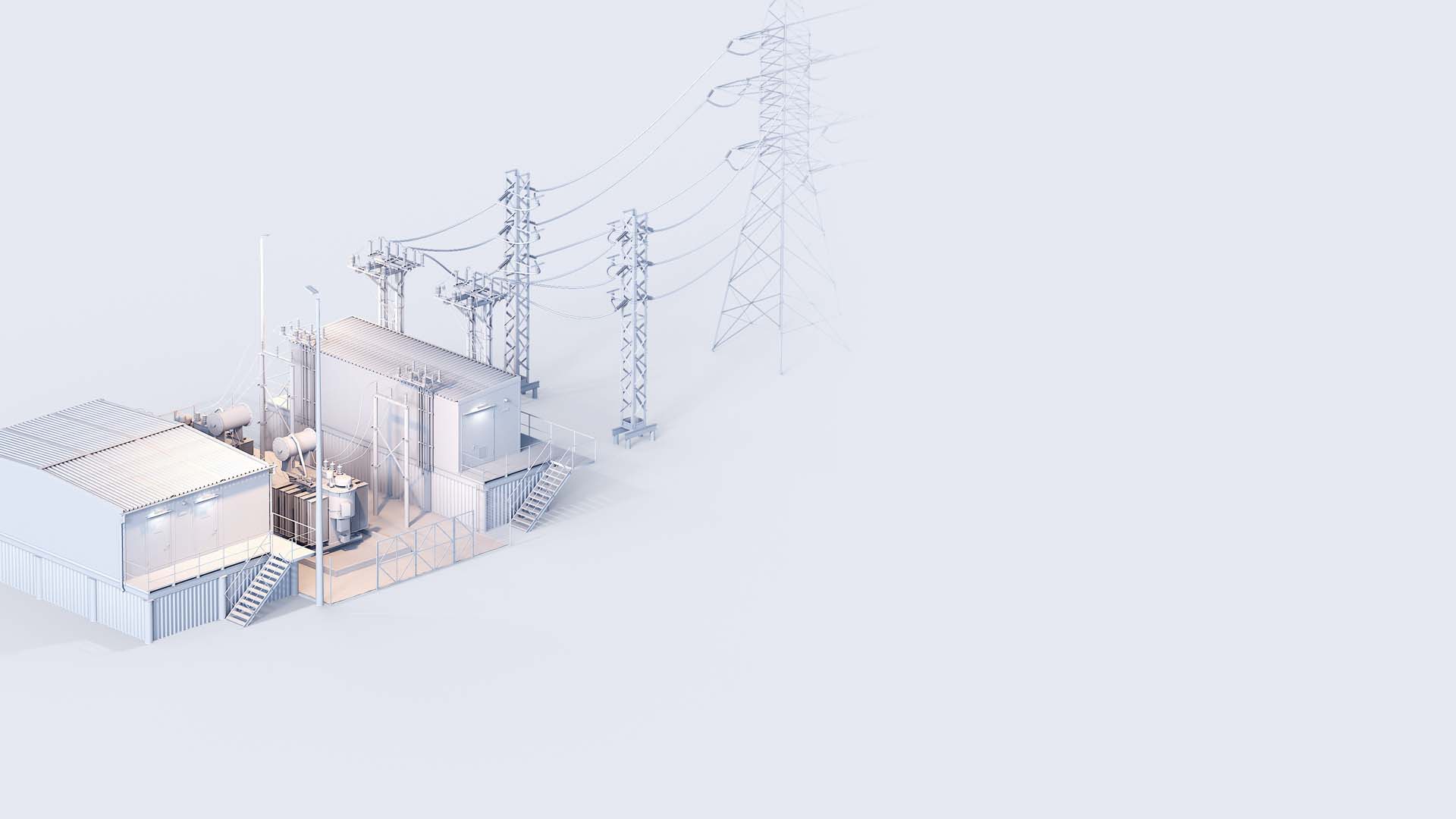
Epoxy resin casting technology is a new manufacturing technology for insulating materials developed in the 1950s, emerging alongside the advancement of power transmission and transformation technology.
Early power transmission and transformation equipment operated at low voltage classes, and traditional insulating materials were still adopted for its core insulation components. As the voltage class of such equipment rose, the drawbacks of conventional insulation materials became prominent. In particular, they failed to meet the requirements of power frequency withstand voltage and partial discharge. To address these challenges, epoxy resin casting technology came into being.
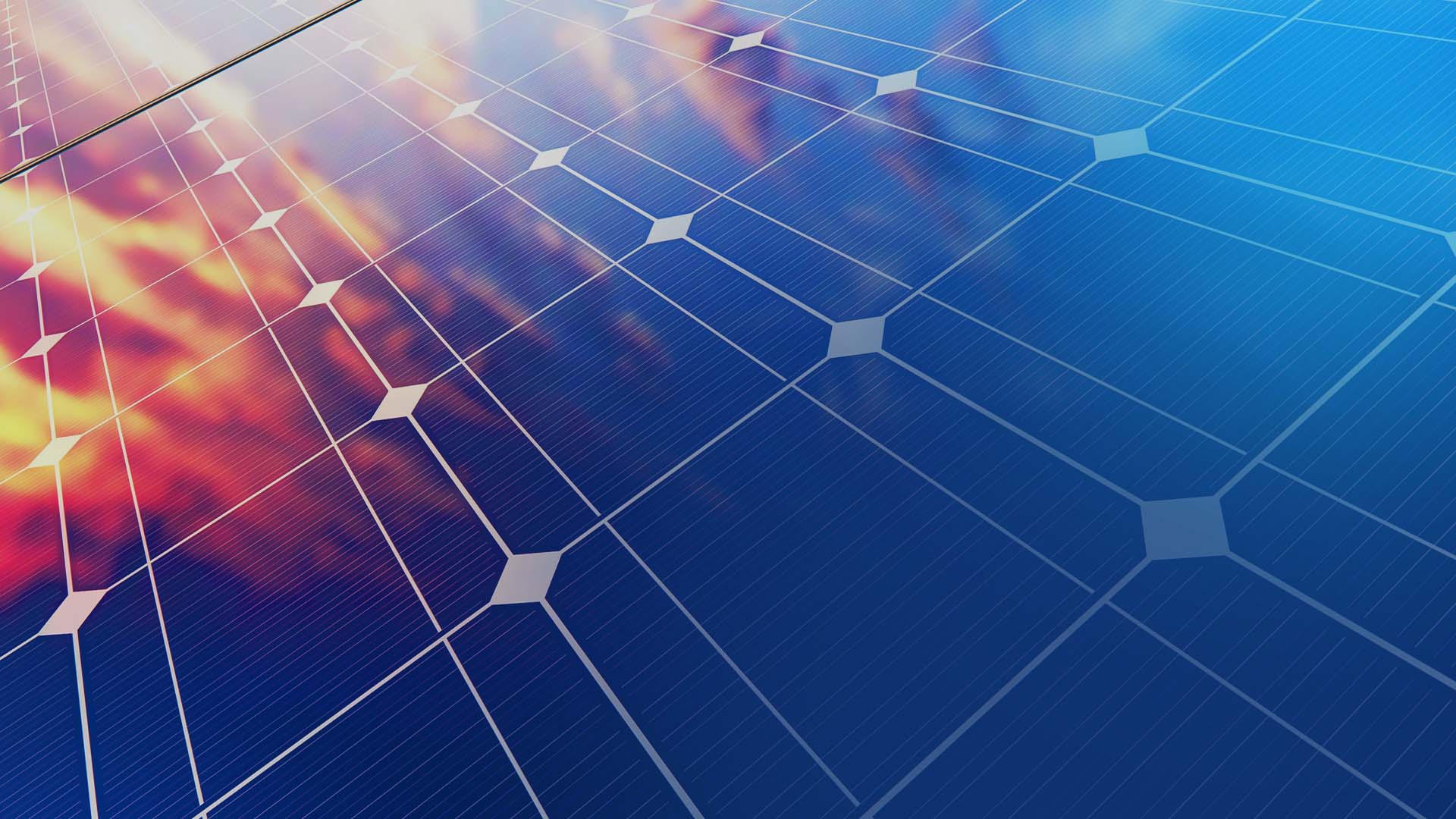
Replacing aluminum frames with composite frames
Ensuring frame-to-glass bonding with silicone structural adhesive
Sealing junction boxes with silicone potting compound